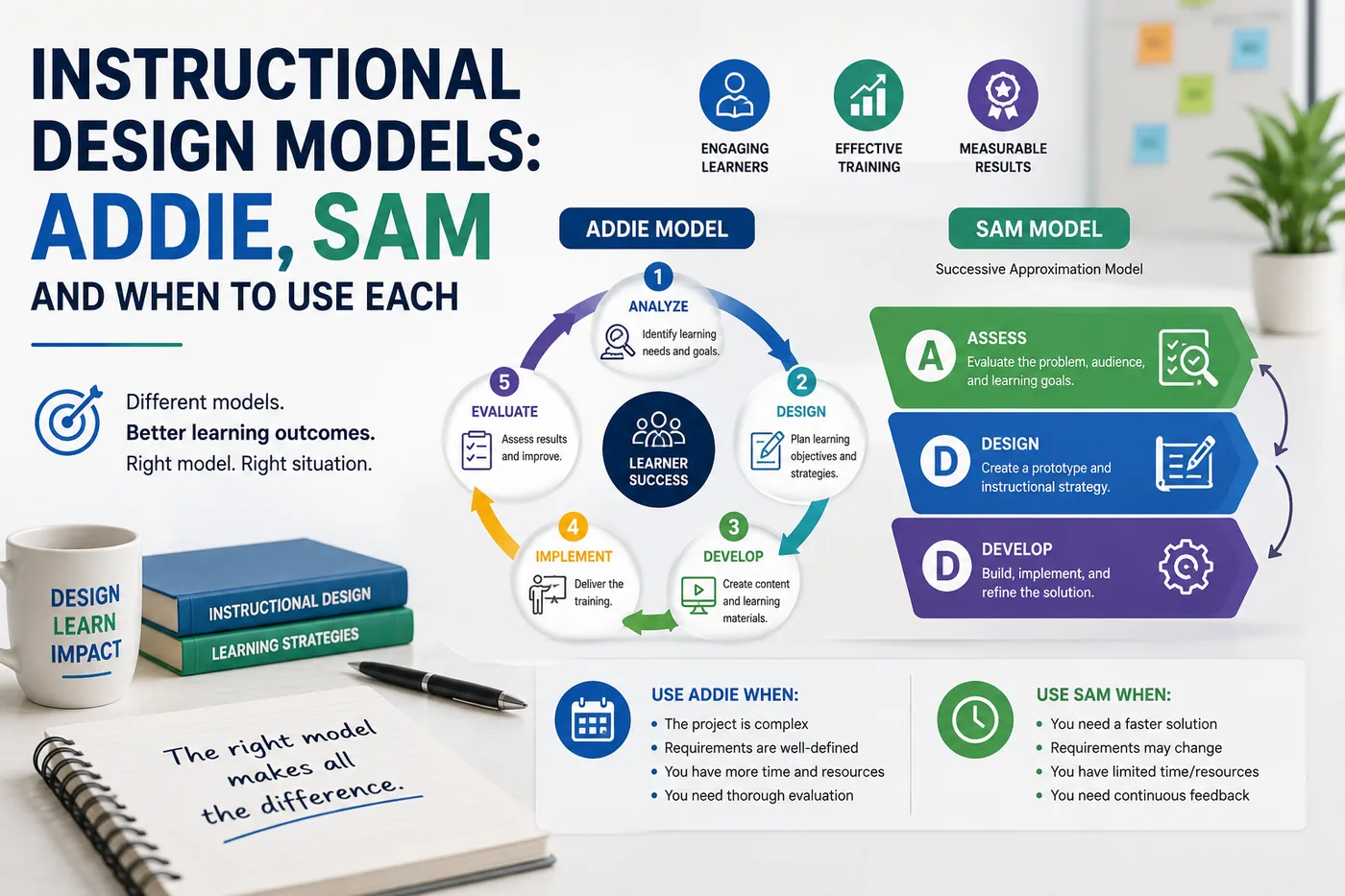
Instructional Design Models: ADDIE, SAM and When to Use Each
 Serve Innovate
8 min read
Serve Innovate
8 min read
Arguments about instructional design models tend to be arguments about something else — usually about whether subject-matter experts will be available for review, and whether anyone is willing to sign off a design before it is built.
ADDIE: sequential, documented, auditable
ADDIE runs Analysis, Design, Development, Implementation and Evaluation as ordered phases, each producing an artefact that the next phase depends on. Analysis yields objectives; design yields a storyboard; development yields the course.
Its reputation as bureaucratic is partly earned and largely a caricature. What ADDIE actually provides is a documented decision trail — and there are contexts where that is not overhead but the entire point:
- Regulated training where an auditor may ask why a particular objective was included and on whose authority.
- Fixed-scope external contracts, where the storyboard sign-off is the boundary between agreed work and a change request.
- Large programmes with multiple designers, where a shared design document is the only thing preventing six modules that contradict each other.
- Content that is genuinely stable — safety procedure, statutory obligation, established science.
ADDIE’s real weakness is not its sequence, it is the cost of being wrong late. If the design was misjudged, you discover it at implementation, after development has been paid for.
SAM: iterative, prototype-led, review-hungry
The Successive Approximation Model replaces the long design phase with short cycles of prototype, review and refine. Rather than a 60-page storyboard reviewed once, SAM produces a rough working version early and improves it across several passes.
The advantage is that misunderstandings surface while they are still cheap. A stakeholder who cannot visualise a branching scenario from a storyboard will react immediately to a clickable one, and that reaction arrives in week two rather than week nine.
The dependency is severe and frequently underestimated: SAM requires your subject-matter experts and stakeholders to show up, repeatedly, on schedule. Each iteration needs a review to be an iteration rather than a delay. When an SME is a senior clinician or a plant manager with two hours a month, a model built around frequent review cycles will stall — and a stalled SAM project is slower and more expensive than a well-run ADDIE one.
Choosing on evidence rather than fashion
Four questions settle it in most cases.
- How stable is the content? Statutory or procedural content that will not change for three years rewards upfront design. Product training for something still being built does not — you will be revising during development regardless, so choose a model that expects it.
- How available are the experts? Genuinely available and engaged suits SAM. Scarce, senior and hard to schedule suits ADDIE, where their time is concentrated into fewer, higher-value reviews.
- Can the stakeholders read a storyboard? Experienced L&D stakeholders can approve a design document meaningfully. Stakeholders new to e-learning frequently approve one and then object to the built version, because they were never able to picture it. Prototype for them.
- What does the contract require? Fixed-price external work usually needs a defined deliverable to price against. Internal work, or time-and-materials, can absorb iteration.
The hybrid most experienced teams actually run
In practice, the arrangement that works is neither model in its pure form:
- Analyse once, properly. Audience, tasks, constraints and success measures are cheap to establish early and expensive to discover late. This is ADDIE’s Analysis phase and it is worth keeping intact.
- Prototype the hard 20%. Build the branching scenario, the complex simulation, the novel interaction as an early rough version. Storyboard the straightforward remainder.
- Freeze the design after the prototype is approved. Iteration is valuable up to a point; unbounded iteration is how a twelve-week project reaches month seven. Name the point.
- Evaluate against the measures set in analysis — not against whether stakeholders liked it.
This concentrates iteration where uncertainty actually lives, and keeps the documented trail where accountability lives.
What goes wrong regardless of model
Most failed learning projects fail for reasons no model prevents:
- Objectives written as content coverage. "Understand the new expenses policy" is not an objective; "correctly categorise a mixed-purpose expense claim" is. The first cannot be assessed and so cannot be designed for.
- No named decision-maker. When five stakeholders review and none can approve, both models deadlock identically.
- Analysis skipped because the answer seemed obvious. Frequently the presenting problem — "our staff need training on the CRM" — is a process or interface problem that training will not solve.
- Evaluation planned after launch. If nobody decided in advance what data would indicate success, the post-launch report will be completion rates and a satisfaction survey, which measure neither.
The short version
ADDIE suits stable content, scarce experts, and work that must be auditable or fixed in scope. SAM suits evolving content, engaged stakeholders, and interactions that have to be seen to be judged.
Choose deliberately on those grounds, prototype the parts that are genuinely uncertain, and write objectives that describe what someone will do differently. The model matters considerably less than that last point.
Serve Innovate
We design, build, market and scale digital experiences — e-learning, websites, campaigns and custom software — for organizations that want one accountable partner rather than four.
Work with usFrequently asked
Is ADDIE outdated?
Is SAM always faster than ADDIE?
Can ADDIE and SAM be combined?
What is the difference between ADDIE and agile instructional design?
How long should the analysis phase take?
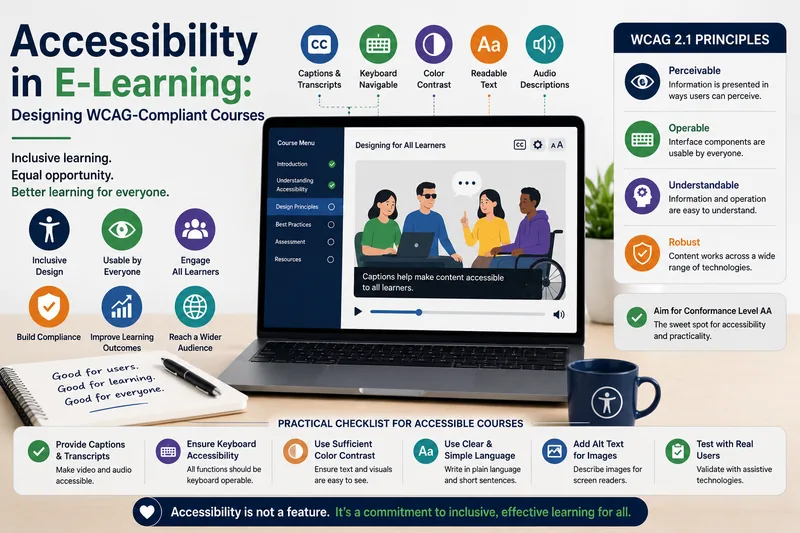
Accessibility in E-Learning: Designing WCAG-Compliant Courses
Accessible course design is mostly decisions made in week one. Retrofitting it after the build is where the cost lives.
Read article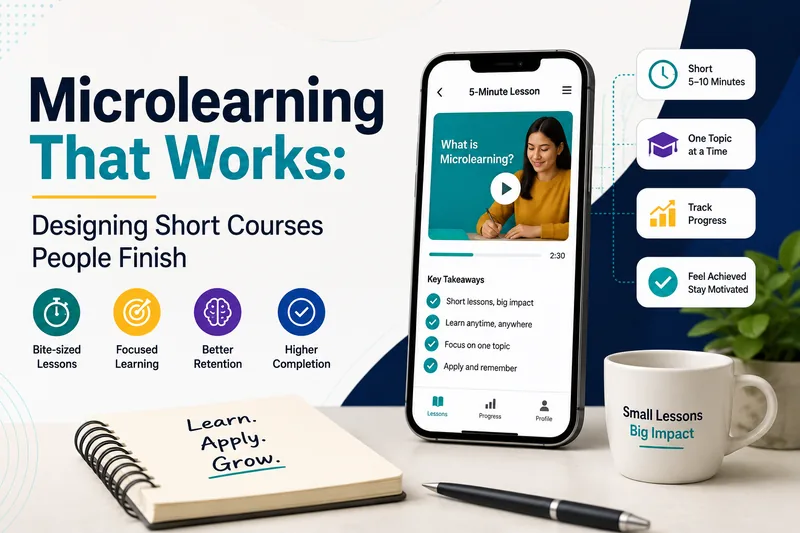
Microlearning That Works: Designing Short Courses People Finish
Cutting a two-hour course into twelve ten-minute videos is not microlearning. This is what actually makes short-form corporate training stick.
Read article